
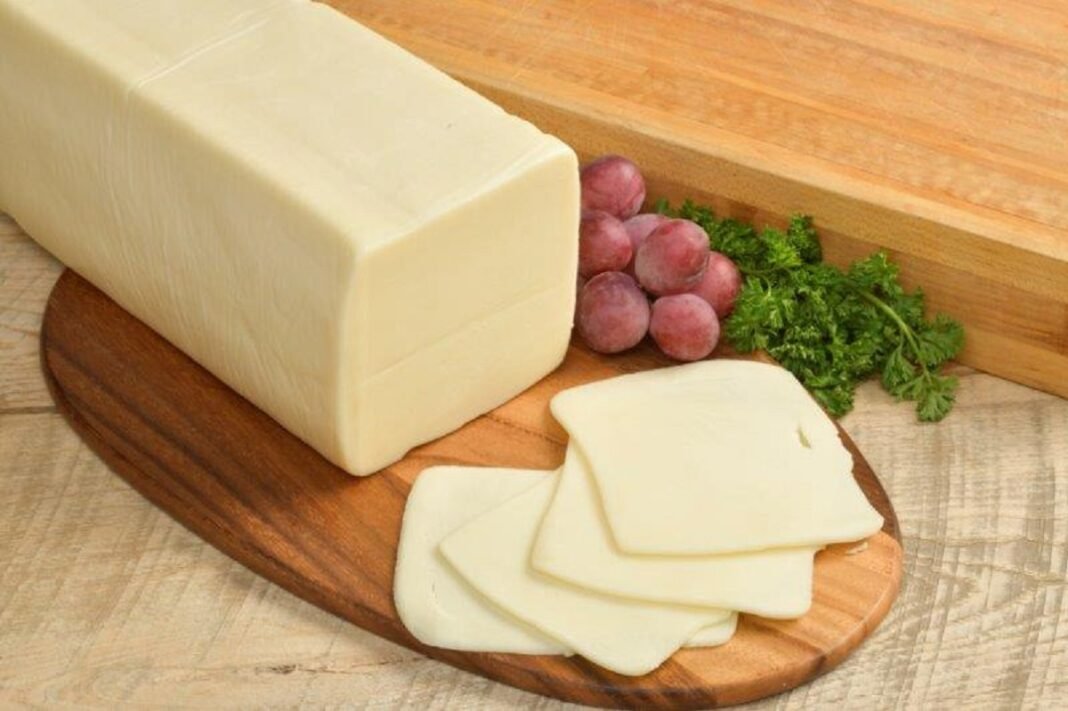

Mozzarella shows up everywhere — melted over pizza, layered into lasagna, sliced fresh onto a caprese salad. It’s mild, stretchy, and easy to love, but if you’re eating it regularly, it’s fair to ask: is mozzarella cheese actually good for you, or just a tasty indulgence? The honest answer is that it’s a bit of both — mozzarella has real nutritional strengths, along with a few things worth keeping in moderation.
Mozzarella Cheese Nutrition Facts
A standard one-ounce (28-gram) serving of whole-milk mozzarella typically contains:
- Calories: around 85
- Protein: about 6 grams
- Fat: about 6 grams (roughly 4 grams saturated)
- Carbohydrates: about 1 gram
- Sodium: around 138 milligrams
- Calcium: around 143 milligrams (roughly 10% of the recommended daily intake)
- Phosphorus: about 100 milligrams
Compared to many other popular cheeses, mozzarella is on the lighter side — it has noticeably less sodium than cheeses like feta or Parmesan, and it’s lower in calories than many hard, aged cheeses.
The Benefits
A solid source of protein. At roughly 6 grams per ounce, mozzarella provides a similar amount of protein to an equivalent serving of cooked meat or poultry. Protein plays a role in muscle repair, hormone production, and immune function, making mozzarella a reasonable way to round out a meal.
Good for bone health. Mozzarella delivers a meaningful amount of calcium and phosphorus per serving — two minerals that work together to support bone density and help lower the long-term risk of conditions like osteoporosis.
Lower sodium than most cheeses. If you’re watching sodium intake, mozzarella is one of the more moderate choices in the cheese aisle, particularly compared to sharper, more heavily salted varieties.
Contains beneficial vitamins. Mozzarella provides B vitamins like riboflavin (B2) and, in smaller amounts, biotin (B7) — both involved in energy metabolism, and biotin specifically supports healthy hair, skin, and nails.
The Downsides to Keep in Mind
Saturated fat. With around 4 grams of saturated fat per ounce, mozzarella can add up quickly if you’re eating larger portions or combining it with other high-fat foods (like pizza crust and processed meats). Diets high in saturated fat are linked to elevated LDL (“bad”) cholesterol, a known risk factor for cardiovascular disease.
Calories can add up. While mozzarella is lower in calories than many aged cheeses, it’s still calorie-dense relative to its volume — easy to overdo, especially when melted generously over a dish rather than measured out as a standalone serving.
Not suitable for everyone. Mozzarella contains casein, a milk protein that some people are sensitive to, and it’s obviously off-limits for anyone with a dairy allergy or lactose intolerance (though mozzarella tends to be lower in lactose than many other dairy products, since much of it is removed during the cheese-making process).
How Much Is a Reasonable Amount?
For most healthy adults, a standard cheese serving of around 1.5 ounces is a reasonable daily guideline — enough to get the protein, calcium, and flavor benefits without overloading on saturated fat and sodium. As with most foods, moderation and portion size matter more than treating any single food as either “good” or “bad.”
The Bottom Line
Mozzarella cheese can absolutely fit into a healthy, balanced diet. It’s a decent source of protein and calcium, relatively low in sodium compared to other cheeses, and versatile enough to work into a wide range of meals. The main thing to watch is portion size, given its saturated fat content — enjoyed in moderation, mozzarella is a reasonably healthy choice rather than something to avoid.
This article is for general informational purposes and isn’t a substitute for personalized medical or nutritional advice. If you have specific health concerns — such as heart disease, high cholesterol, or a dairy sensitivity — consult a doctor or registered dietitian.